
Overview
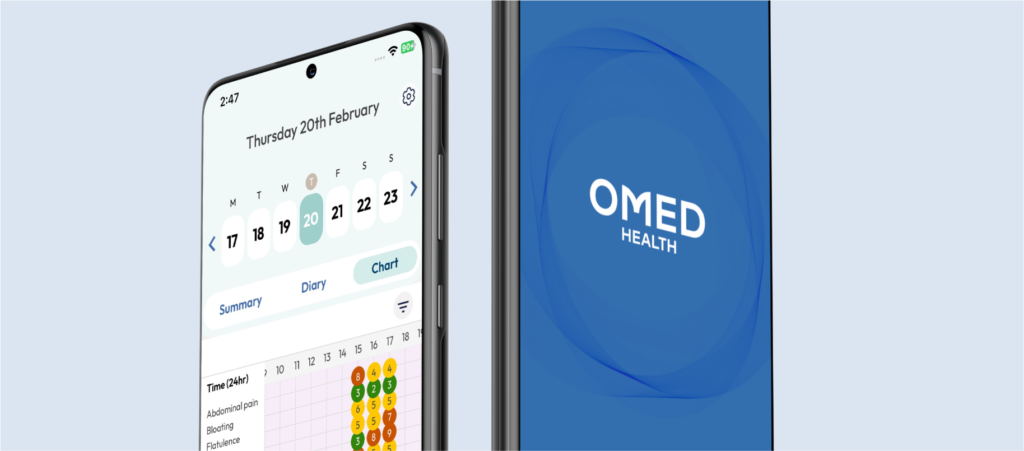
The client is a digital health company helping users monitor and improve gut health through a connected analyzer paired with a mobile app. The platform turns digestive data into personalized insights, sitting between everyday home tracking and clinical support.
The Goal
The team needed a QA process that could validate functionality across devices, confirm that time sensitive data logging was accurate, and ensure the sync between the mobile app and the hardware analyzer held up reliably. The broader goal was to build enough user trust in the platform to support a wider clinical and consumer rollout.
Where Things Stood
Before this engagement, product reliability issues were directly undermining user trust and slowing growth.
- Data syncing failures between the app and analyzer led to missing records, making insights feel unreliable
- Timezone related sync errors produced incorrect timestamps, distorting historical health trends
- Unstable connections between the app and hardware caused users to abandon logging sessions mid way through
- Notification issues across iOS and Android reduced daily engagement
- UI responsiveness problems on lower end devices caused drop offs during onboarding
Together, these issues drove high support volume, weakened app stickiness, and made it difficult to retain first time users.
The ClinVerify Approach
The engagement combined strategic, risk based test planning with hands on execution built specifically around connected device workflows:
- A risk based QA framework prioritizing syncing, logging, and user engagement flows above lower risk features
- Test scenarios built around real user behavior, including timezone shifts, network drops, and idle sessions
- End to end traceability across features, with regression cycles mapped to every sprint
- A full test suite covering both core functionality and edge case flows across mobile and analyzer integration
- Cross device testing on iOS and Android to reproduce platform specific issues
- Regression testing after every feature addition, so new work never quietly broke a previous fix
- Over 100 high impact bugs reported and verified, tied to sync timing, API errors, and delayed notifications
Why This Mattered Beyond the Bug Count
A monitoring platform is only as useful as the trend line it produces, and a trend line built on missing or mistimed data points is worse than no data at all. A user who logs consistently but sees gaps or inconsistent timestamps in their history has good reason to stop trusting the insights entirely, even if the underlying analysis is sound. Fixing the sync and timing issues was really about protecting the credibility of every insight the platform generated afterward.
“In remote monitoring, a missing data point does not just create a gap. It quietly teaches the user the trend line cannot be trusted.”
The Results
The engagement resolved 70% of data syncing issues, producing insights users could actually rely on. Post release issue impact dropped by 50%, easing support load and reducing how often hotfixes were needed. Multi device compatibility improved meaningfully, opening the product to a wider range of users and devices, and the team gained development speed and confidence from having a QA pipeline they could depend on.
- 70% of data syncing issues resolved
- 50% reduction in post release issue impact
- Improved multi device compatibility across iOS and Android
- Faster, more confident development cycles
- 95% improvement in user satisfaction, based on tracked retention and feedback
What This Case Illustrates
This engagement shows what happens when QA for a connected device product treats syncing and data integrity as the central risk, not a secondary concern. The features were already reasonably solid. What was missing was testing that assumed the real world conditions users actually monitor in, weak connections, timezone changes, and interrupted sessions, rather than the clean conditions of a lab environment.
Client name and identifying product details have been withheld at their request. Metrics reflect the actual engagement. ClinVerify SME package.