
Overview
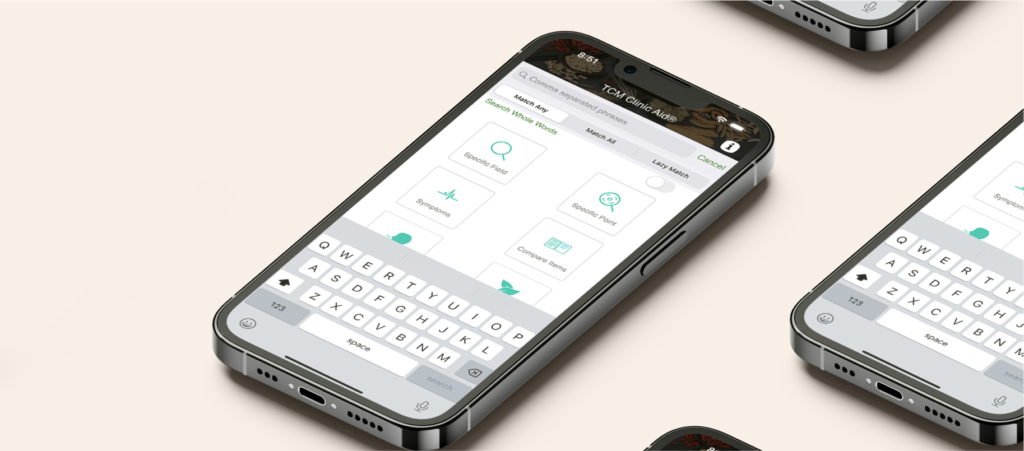
The client built a mobile platform supporting Traditional Chinese Medicine practitioners with tools for diagnosis support, treatment reference, and symptom mapping. The app is used directly during patient consultations, which means both its reliability and the accuracy of its guidance carry real clinical weight.
The Goal
The team wanted to improve the reliability of the app’s reference content, its overall performance, and search usability, in order to retain practitioners and expand adoption. The QA objective was to validate offline support, close content gaps, and ensure consistent performance across platforms, particularly in low bandwidth conditions and on budget devices common in real clinic settings.
Where Things Stood
Before this engagement, the app was struggling with real world clinical adoption because of several issues with direct business impact.
- Syncing failures between devices and the cloud caused inconsistent patient records, disrupting clinic workflows
- Frequent crashes during high usage periods undermined reliability and eroded user trust
- Diagnostic tool logic produced inconsistent suggestions, weakening clinical confidence
- Navigation confusion and inconsistent terminology reduced usability and hurt practitioner retention
Together, these issues limited how far the app could scale into live clinical settings and steadily wore down practitioner confidence.
The ClinVerify Approach
The engagement combined a structured, clinically aware QA strategy with hands on validation of both stability and diagnostic logic:
- Simulated consultation interruptions and multi session flows to surface edge case bugs
- Data integrity testing to ensure patient records synced consistently across devices and the cloud
- Stability checks across a range of mobile environments to reduce crash rates
- Structured test cases aligned with TCM diagnostic logic, used to validate the clinical accuracy of outputs
- Over 120 critical and high severity issues reported and verified across staging and production
Why This Mattered Beyond the Bug Count
A diagnostic reference tool used mid consultation has almost no tolerance for inconsistency. A practitioner who sees the same symptoms return a different suggestion on two separate visits has reason to stop trusting the tool altogether, regardless of how often it is actually correct. Validating diagnostic logic with the same rigor as functional testing was central to this engagement, because for this product, consistency and clinical trust were effectively the same problem.
“A diagnostic tool that is right most of the time is, in practice, a tool a practitioner cannot fully trust.”
The Results
Record syncing issues dropped by more than 90%, restoring practitioner trust in patient data integrity. Crash incidents during active sessions fell by 85%, allowing for smoother, uninterrupted clinical use. Consistency of diagnostic outputs improved by nearly 70%, directly strengthening practitioner confidence in the app’s underlying logic.
- Over 90% reduction in record syncing issues
- 85% drop in crash incidents during active sessions
- Nearly 70% improvement in diagnostic output consistency
- 60% increase in practitioner satisfaction across testing groups
- App cleared for broader clinical rollout after completing QA led stability and accuracy cycles
What This Case Illustrates
This engagement shows why clinical decision support tools need QA that treats consistency of logic as a first class requirement, not just an extension of functional testing. Stability fixes alone would not have restored practitioner trust. What actually cleared the path to clinical rollout was proving the app’s guidance held up the same way every time it was asked the same question.
Client name and identifying product details have been withheld at their request. Metrics reflect the actual engagement. ClinVerify SME package.