
Overview
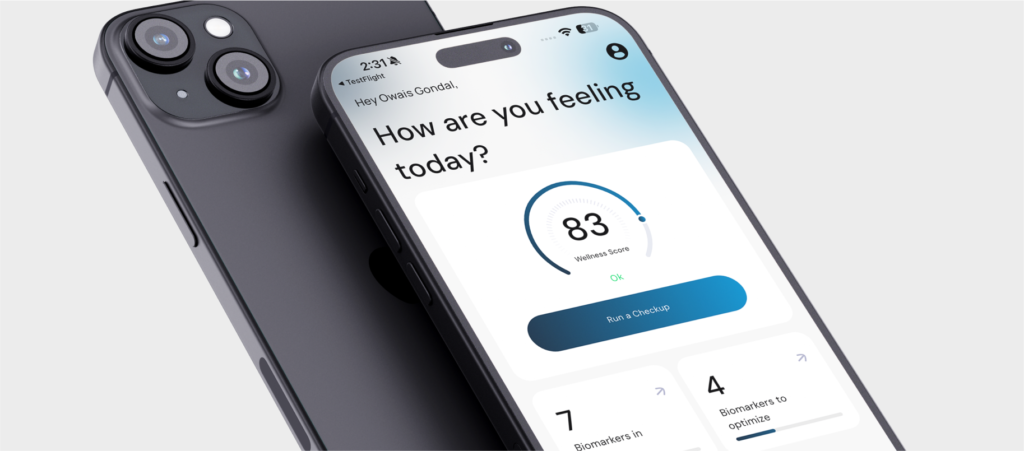
The client operates a mobile first platform delivering AI powered wellness assessments built for younger users. Using smartphone data and behavioral inputs, the app offers fast, accessible, personalized health checkups aimed at the intersection of digital health and youth engagement.
The Goal
The primary goal was to validate syncing accuracy, session stability, and the integrity of AI generated feedback across the range of devices young users actually carry. ClinVerify was engaged to reduce early drop off, build trust in the assessments themselves, and support scale up across a wide mix of devices and usage environments.
Where Things Stood
The underlying concept was strong, but a handful of technical issues were actively blocking growth and retention.
- Syncing errors across Android and iOS caused health reports to appear incomplete or inconsistent, damaging trust in AI generated insights
- Data transmission delays made assessments feel slow, which hurt the experience during demos and onboarding
- Frequent crashes on lower spec phones limited reach in cost sensitive, high volume youth markets
- UX issues around progress tracking and goal feedback discouraged daily engagement, with retention dropping sharply after the first week
- Multi user authentication failures caused confusion on shared devices, especially among teens and families, breaking session continuity
Together, these problems stalled adoption, produced weak reviews, and widened the gap between what the product was meant to do and what users actually experienced.
The ClinVerify Approach
The engagement focused on building a QA foundation that supported both technical reliability and the specific usability needs of a younger audience:
- A coverage first testing approach, aligning manual test cycles with sprint cycles and real user personas
- Test plans covering edge cases around login states, offline use, and incomplete data entry
- Simulated real world teen usage patterns, including shared devices, interrupted sessions, and inconsistent logging habits
- Testing across a wide range of Android and iOS devices, prioritized around regions with the highest youth adoption
- Over 200 critical bugs reported and verified, covering session handling, API sync mismatches, and delayed goal feedback
- Regular smoke and regression testing to stabilize key features ahead of marketing pushes and investor demos
- UX recommendations drawn directly from QA findings to reduce onboarding abandonment
Why This Mattered Beyond the Bug Count
For a wellness product built around young users, trust breaks differently than it does in a typical consumer app. A teenager who shares a device with a sibling and loses their session, or sees an incomplete report after logging consistently, does not usually give the product a second chance. The fixes here were less about individual bugs and more about making sure the app behaved predictably in exactly the messy, shared, interrupted conditions its actual audience uses it in.
“Younger users rarely file a bug report. They just quietly stop opening the app.”
The Results
Authentication became robust enough to reliably support multi user, shared device scenarios, meaningfully improving session reliability. Sync issues dropped significantly, allowing the AI system to deliver more consistent wellness feedback, and crash rates fell across devices, helping the app scale into budget and mid range phone markets it previously struggled to reach.
- Authentication flow made reliable for multi user and shared device use
- Significant reduction in sync issues, improving AI feedback consistency
- Lower crash rates across budget and mid range devices
- 90% higher user satisfaction based on follow up feedback
- Improved retention and stronger traction in demo and partner evaluation settings
What This Case Illustrates
This engagement is a good example of what happens when QA accounts for who is actually using a product, not just what the product is supposed to do. Testing shared device scenarios, interrupted sessions, and lower spec hardware as first class cases, rather than edge cases, was what actually moved retention and trust for this audience.
Client name and identifying product details have been withheld at their request. Metrics reflect the actual engagement. ClinVerify Startup package.