
Overview
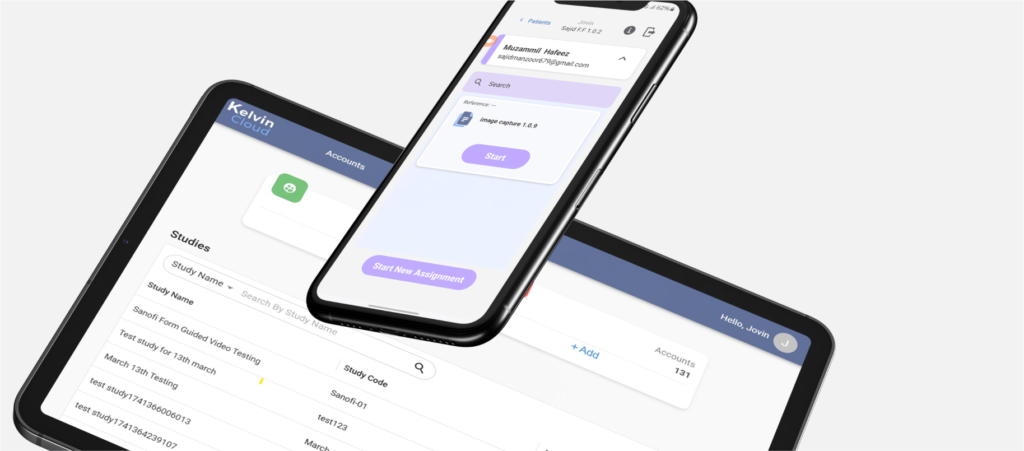
The client is a health tech company building an AI-powered video analysis platform that objectively tracks motor function in patients with neurological conditions such as Parkinson’s disease. Their platform supports remote, clinician-reviewed assessments, giving neurology specialists a way to evaluate patients consistently outside a traditional in-clinic visit.
The Goal
The team needed a QA process capable of validating both their mobile and web platforms at high coverage, while also giving them confidence in the accuracy of the AI-driven motion-tracking analysis at the core of the product. Beyond functional correctness, the engagement had to get the platform to a place where it could reliably support live enterprise demos and stand up to scrutiny during hospital procurement, including meeting HIPAA compliance requirements.
Where Things Stood
Before this engagement, stability and accuracy issues were actively undermining clinical trust and slowing adoption. QA had been almost entirely manual, coverage was thin, and the gaps were showing up in exactly the moments that mattered most: live patient assessments and stakeholder demos.
- Mobile app crashes during live sessions interrupted patient assessments and eroded clinician trust
- Mobile-to-web sync failures produced incomplete reports, putting diagnostic quality at risk
- Functional inconsistencies made onboarding difficult and frustrated new users
- Manual-only QA with limited coverage let bugs reach production and slowed releases
The ClinVerify Approach
- Risk-based test planning that prioritized high-stakes clinical workflows first
- Regression coverage built out to 95% of core functionality
- Automated execution across web and mobile, including real physical devices
- Deliberate testing under real-world conditions such as weak connectivity, dropped sessions, and multi-device handoffs
- Automated runs integrated into the release pipeline to catch regressions before production
- Full traceability on 200+ logged defects, from discovery through resolution
Why This Mattered Beyond the Bug Count
Stability problems in a clinical assessment tool don’t just frustrate users. They quietly erode the thing the product is actually selling: confidence that the data behind an assessment can be trusted. A crash mid-session doesn’t just interrupt a workflow, it makes a clinician question whether to use the tool with their next patient. Fixing that meant treating reliability testing as a clinical-trust problem, not just a technical one, which is why the highest-risk workflows were prioritized first rather than treated as equally important to every other feature.
“For a clinical assessment tool, a stability bug isn’t just a technical defect. It’s a reason for a clinician to stop trusting the data in front of them.”
The Results
Within the engagement, functional test coverage reached 95% of core features, giving the team the confidence to ship faster without reopening old stability problems. Production issues dropped by 95%, and application performance improved by roughly 80%, a change that showed up directly as fewer drop-offs and shorter wait times during clinical sessions.
The platform reached HIPAA compliance, which mattered as much for procurement conversations with hospital partners as it did for security itself. With the product stabilized, the team supported five stakeholder demos without incident, a meaningful shift after stability issues had previously undermined confidence in exactly those moments. User retention increased by 60% following the resolution of the highest-impact stability and usability issues.
What This Case Illustrates
This engagement is a fairly direct illustration of what happens when QA for a clinical product treats reliability, accuracy, and compliance as connected problems rather than separate checklists. The technical fixes mattered, but what actually moved the business outcomes (demo confidence, retention, procurement readiness) was testing built around the clinical workflows the product was actually being trusted to support.
The client’s name and identifying product details have been withheld at their request. Metrics reflect the actual engagement. ClinVerify SME package.