
Wellness & Fitness Apps Testing
Test wellness and fitness applications across user journeys, device integrations, subscriptions, data handling, performance, and the product experiences users rely on every day.
Wellness App Testing Across Real User Journeys
Wellness and fitness products often combine mobile apps, wearable devices, subscriptions, personalised content, progress tracking, notifications, and large volumes of user-generated data. ClinVerify helps teams test these connected experiences end to end, with coverage focused on how the product behaves in real use rather than isolated feature checks.
User Journeys
Test complete flows from registration and onboarding through goal setting, activity tracking, programme participation, progress reviews, and account management. End-to-end coverage helps identify issues that appear only when users move between features over time rather than interacting with one screen in isolation.
Activity Tracking
Check how workouts, steps, sleep, heart rate, nutrition entries, recovery metrics, or other supported data are recorded, updated, displayed, and summarised. Testing focuses on consistency across the app so users are not presented with conflicting totals, missing activity, or unexpected changes in their history.
Wearable Integrations
Validate data exchange between the application and connected wearables, fitness trackers, smartwatches, sensors, and supported health platforms. Testing can cover pairing, permissions, delayed sync, duplicate records, missing data, device changes, and other conditions that affect how activity information reaches the user.
Subscription Flows
Verify trials, paid plans, renewals, upgrades, downgrades, cancellations, expired access, and entitlement changes across supported payment environments. Testing helps ensure that users receive the correct features and content throughout the subscription lifecycle without creating avoidable billing or access issues.
Release Regression
Protect established user journeys as new programmes, integrations, tracking features, and commercial changes are introduced. Repeatable regression testing can quickly detect unintended effects across high-value workflows and reduce the amount of manual checking required before each release.
Personalised Content
Test the rules that determine which workouts, plans, recommendations, reminders, or content appear for different users. Coverage can include profile changes, goal changes, incomplete data, preference updates, and boundary conditions so personalisation behaves consistently instead of creating confusing or unsuitable experiences.
Wellness & Fitness Apps Testing FAQs
What should be tested in a wellness or fitness app?
Testing should cover the complete product experience, including onboarding, user profiles, activity tracking, wearable integrations, subscriptions, notifications, progress data, content access, account settings, performance, accessibility, and regression. The exact scope should reflect the features users depend on and the devices or services connected to the app.
How is wellness app testing different from standard mobile app testing?
Wellness products often depend on ongoing data collection and repeated daily use rather than one-off transactions. That means QA needs to consider long-running user journeys, historical data, connected devices, synchronisation, personalisation, notifications, and account changes. A feature can work in isolation while still producing an inconsistent experience across weeks or months of use.
How should wearable integrations be tested?
Wearable testing should verify connection setup, permissions, data transfer, synchronisation frequency, duplicate handling, missing records, time zones, device changes, revoked access, and reconnection. It is also important to test how the app behaves when external platforms return delayed, incomplete, or unexpected data.
Can automated testing be used for fitness apps?
Yes. Automation is useful for repeatable workflows such as registration, account changes, subscriptions, API checks, content access, activity history, and regression testing. Device-dependent or highly visual experiences may still require manual testing, so the best approach usually combines automation with targeted human review.
How do you test fitness data accuracy?
Testing should compare how data is received, processed, stored, aggregated, and displayed across relevant parts of the product. Teams should check totals, units, timestamps, historical entries, edits, missing values, and synchronisation behaviour. Where data comes from external devices, testing should also distinguish between source data and calculations performed by the application.
Should wellness apps be tested across different devices?
Yes. Users may access the product on different phones, tablets, operating systems, screen sizes, browsers, and wearable combinations. Testing should prioritise the environments most relevant to the actual user base and confirm that important workflows remain usable, readable, and consistent across supported configurations.
What role does performance testing play in fitness apps?
Performance testing helps teams understand how the product behaves when many users are synchronising activity data, loading content, joining programmes, or accessing services at the same time. It can also help identify slow screens, delayed updates, API bottlenecks, and other issues that make a daily-use product feel unreliable.
When should QA start for a wellness or fitness product?
QA should begin early enough to influence requirements, analytics rules, integration design, subscription behaviour, and acceptance criteria. Early testing reduces the chance of discovering systemic issues late in development and makes it easier to build reliable regression coverage as the product grows.
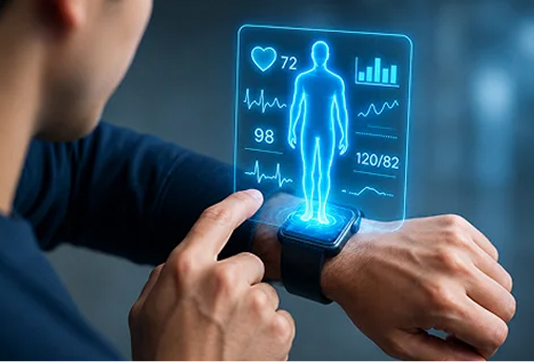
Cover the Full Experience
Test the Product Conditions That Shape Everyday User Trust
Users return to wellness and fitness products because they expect their data, progress, access, and recommendations to remain consistent. ClinVerify helps teams test the connected technical and product conditions behind that experience so releases can move forward with clearer evidence of what works and where risk remains.
Goal Management
Verify how users create, edit, pause, complete, or replace goals and how those changes affect related content, reminders, progress calculations, and dashboards. Testing helps identify cases where one account update creates conflicting information elsewhere in the application.
Account Onboarding
Test sign-up, social authentication, verification, profile creation, preferences, consent screens, goals, and initial setup. Coverage can include incomplete registration, duplicate accounts, returning users, changed preferences, and validation rules to ensure people can enter the product without becoming stuck in the first few steps.
Progress Tracking
Check the calculations and presentation behind streaks, milestones, trends, summaries, charts, and other progress indicators. Coverage should include new users, long-term users, missing days, edited activity, imported data, and time-zone changes so progress information remains understandable and internally consistent.
Notification Logic
Validate reminders, streak alerts, programme prompts, subscription messages, achievement notifications, and other user communications. Testing should confirm that the right event triggers the right message and that users do not receive outdated, duplicate, mistimed, or irrelevant notifications after their account state changes.
Content Access
Test access to workouts, programmes, videos, articles, plans, coaching content, or other resources based on account state, subscription level, programme status, and user permissions. Coverage should also confirm what happens when content is removed, replaced, unavailable, or accessed from an expired session.
Data Synchronisation
Test the movement of wellness and activity data across mobile apps, backend services, wearables, and external health platforms. Coverage can include delayed sync, offline activity, duplicate events, conflicting timestamps, deleted entries, and reconnection so users see a coherent record across connected parts of the product.
Accessibility and Usability
Evaluate important journeys for keyboard access, screen-reader support, labels, contrast, focus behaviour, readable content, error messaging, and interaction clarity where relevant. Usability checks can also identify unnecessary friction in high-frequency tasks such as logging activity, starting a workout, reviewing progress, or changing account settings.
Performance Under Load
Assess how APIs, dashboards, activity feeds, content libraries, and synchronisation services behave under realistic usage volumes. Testing can help identify slow or unstable areas before major launches, campaigns, seasonal demand, or feature releases increase activity across the platform.
Privacy Controls
Check user-facing controls related to profile visibility, connected services, permissions, data sharing choices, and account deletion or export workflows where supported. Testing should verify that product behaviour follows the selected settings and that changes are reflected consistently across the relevant user experience.
Choose how deep you want compliance built in.
Every engagement is scoped with your team. Talk to us for pricing specific to your vertical and framework set.
Compliance Sprint
Generate a complete evidence pack ahead of a specific audit, launch, or NHS DTAC submission.
- One vertical, full intake & scenario generation
- Single Clinical Safety Case evidence pack
- 10-day CI/CD automation guarantee
Continuous Coverage
Test generation wired into CI/CD, so evidence packs refresh automatically every release.
- Everything in Compliance Sprint
- Auto re-mapping on product or scope changes
- CI/CD pipeline integration & alerts
Enterprise
Multiple verticals, custom frameworks, and a dedicated clinical safety liaison.
- Everything in Continuous Coverage
- Multiple products / verticals, one account
- Dedicated clinical safety liaison